
Pets
How to Repeal Rodents With Sound – 5 Tips you need to know


How to Repeal Rodents With Sound
So, you want to use sound to repel rodents? Read on to learn how this method works, how it differs from other methods, and the legalities involved.
In addition, we’ll go over some methods that work. If you want to repel rodents with sound, read on! We’ll cover how sound repellents work, what’s effective for which types of rodents, and what you should do if you’ve already tried this method.
How Sound Repellents Work
Despite the claims made by the manufacturers of sound repellents for rodents, the truth is that they do not completely eliminate the problem.
Generally, sound repellents are not effective against mice and rats because they do not work in the same way as chemical-based pesticides. If you want to get rid of rodents, the best thing to do is to prevent them from entering your home in the first place. Listed below are several simple ways to do this.
Ultrasonic rodent repellent devices work by using electrical outlets to emit a pulsed signal into a particular area. The sound waves are both felt and heard by rodents.
Manufacturers claim that ultrasonic technology produces sounds that are way above the range of human hearing.
While the effects of ultrasonic devices are sometimes dramatic, there are still dozens of studies showing that the technology doesn’t actually work. These devices may keep rodents from entering a home for a few days, but they will eventually get used to the sound and return.
Labeling and Legalities
Rodents are nocturnal creatures and the use of sound to repel them is a proven method. However, there are some concerns about the effectiveness of sound devices, which are marketed as a permanent deterrent.
Previous FTC complaints claimed that the effects of sound on rodents would only be temporary. This is because the animals will eventually become accustomed to the sounds and return to their nesting or feeding locations.
Most sound repellents emit high-pitched sounds that frighten and annoy rodents. The sound is high-pitched and is not detectable by humans. Some sound repellents have an indicator light that turns red once the device has been turned on. Despite this red light, you should only use the device indoors and in a non-inhabited area.
Effectiveness by Rodent
UltraSonic devices have been proven to be effective at repelling rodents, but they can only help temporarily. Mice and other rodents can squeeze through tiny openings, so you need to prevent them from entering the house by keeping your surroundings clutter-free and sealed.
Nevertheless, using UltraSonic devices to repel rodents will only provide temporary relief as the rodents become accustomed to the sound and won’t bother you anymore.
Some ultrasonic sound repellents have a short-lived effect. According to studies by the United States Department of Agriculture and National Wildlife Research Center, the repellents have only a few days’ worth of effects.
This is not a good way to solve your pest problems, as it can increase your mosquito problem! In addition, ultrasonic sound repellents are not as effective as a trap and will simply get rid of the rodents, not solve the problem.
Ultrasonic sound repellents work by releasing a continuous stream of high-frequency sound waves. These waves are not audible to humans, but they are distressing to rodents.
Ultrasonic devices are usually hand-held or plug-in. The plug-in devices are best used indoors. They consume low amounts of energy and can be left on all day. A good repellent should be installed in areas with high rodent populations.
Methods that Do Work
There are several ways to prevent rodents from entering your home. The best way to do this is to keep your home clean and clutter-free.
Make sure to keep containers tightly closed to prevent mice from entering your home.
Though UltraSonic devices can repel rodents, they can only help you temporarily, as they will become accustomed to the sounds. In addition, using UltraSonic devices can cause health risks for your family.
Ultrasonic sound is another popular option. Ultrasonic sound repellents produce sound that rodents find irritating. These sound waves are far too high for humans to hear, but they are highly irritating to rodents. Many ultrasonic devices have been tested to help repel rodents, but some of these devices may not actually work. In any case, the best option is prevention rather than treatment.
Do ultrasonic rodent repellents really work?
You may have heard about ultrasonic rodent repellents, but do they really work?
These devices plug into electrical outlets and emit ultrasonic waves. These waves are too high for humans to hear, but they are highly irritating to rodents. This is why these devices are popular with homeowners, but they don’t always solve the pest problem.
Here are some pros and cons to these devices. This article will cover the pros and cons of these devices, and what you should do before investing in one.
Ultrasonic rodent repellers are relatively new, but are they effective? Research has shown that they work by sending pests running in the opposite direction.
Despite their high price tag, ultrasonic mice and bug repellers are worth a try if you are tired of dealing with mice and other pests. In fact, some models are even safe to use around your household pets, including your cats and dogs.
Does Rodent Repellent Work Like Pest Control. ?
You’ve probably seen ads for ultrasonic rodent repellent, but do you know how it works?
A YouTuber recently tested out an ultrasonic rodent repellent, and the mice simply licked the peanut butter off of it! Is this a real solution?
Let’s find out! Here are some of the facts you should know about ultrasonic pest control. First, the repellent is effective!
The technology behind these devices is fascinating. These devices create ultrasonic waves, or’sonic’ waves, that are irritating to rodents. Because the ultrasonic waves are outside of human hearing range, they can’t penetrate solid objects.
In addition, placing them in the rodents’ line of sight doesn’t make them think about the repellent. And it can only repel rodents for a few hours.
While this method of pest control has its advantages, it is not an effective solution. Ultrasonic rodent repellents work only in areas where rodents live.
However, some homeowners have noticed that it is effective in the short term, but the problem persists over time. Mice are remarkably resilient and adaptable. While the ultrasonic noise is loud and may scare mice initially, mice soon get used to the noise and move on.
How ultrasonic rodent repellents work:
An ultrasonic rodent repeller emits an extremely high frequency that is inaudible to human ears. Although dogs and cats are sensitive to the sounds, they cannot hear frequencies that high. As such, ultrasonic repellers should not be used in enclosed spaces without electricity.
Nevertheless, a reputable company will always test its products before marketing them to the public. This way, they can ensure the safety of the product for people and pets.
The effectiveness of ultrasonic rodent repellents is a matter of trial and error. While some homeowners have reported immediate results, it’s unlikely to eradicate the rodent problem for good. Mice are remarkably adaptable and resilient. They won’t be able to escape the ultrasonic repellents without being accustomed to them. Moreover, these devices do not travel a great distance. They usually stay within 10-20 feet of the area they are supposed to target.
Because ultrasonic repellers work by emitting high frequencies that disturb rodents, they’re a great option for homes that have a rodent problem. Ultrasonic devices typically emit sounds in the range of 30kHz to 55kHz, which is above human hearing. While the sounds may seem dangerous to rodents, they’re not harmful to humans. Moreover, many homeowners prefer ultrasonic devices for their quietness and ease of use.
Rodent Prevention Tips
To prevent rodent infestations, follow the following tips. Keep corners of the home clean and organized. Check for any suspicious changes or smells. Remove trash from outside areas. Cover trash cans with lids. Clean grills regularly and store food in containers with lids. Never leave pet food out overnight. Rats and mice can enter a hole that is only a quarter-inch wide or larger. Cover these areas with a rat proof cover.
Do not store food in paper bags. Rats and mice can easily access food stored in paper bags or plastic containers. Pet food should be stored in tightly-sealed containers with lids. Never place pet food in a paper bag as the rodents can tear it with just one bite. In addition to trapping mice and rats, preventing infestations by following these simple tips will help keep your home free of rodents.
Before using traps, inspect walls and foundation for signs of rodent activity. Mice and rats will enter your home to find food and shelter in cold weather. You can also block foundation cracks with masonry repair material. Additionally, look for joints in door and window sills. If you see any signs of mice or rats, seal them off. It’s also recommended to spray a repellent to keep rodents out.
Fact Check
We hope you enjoyed this article… What are your thoughts on How to Repeal Rodents With Sound?
Рleаse let us knоw yоur thоughts in the соmments seсtiоn. Feel free to share with us in the comments section below.



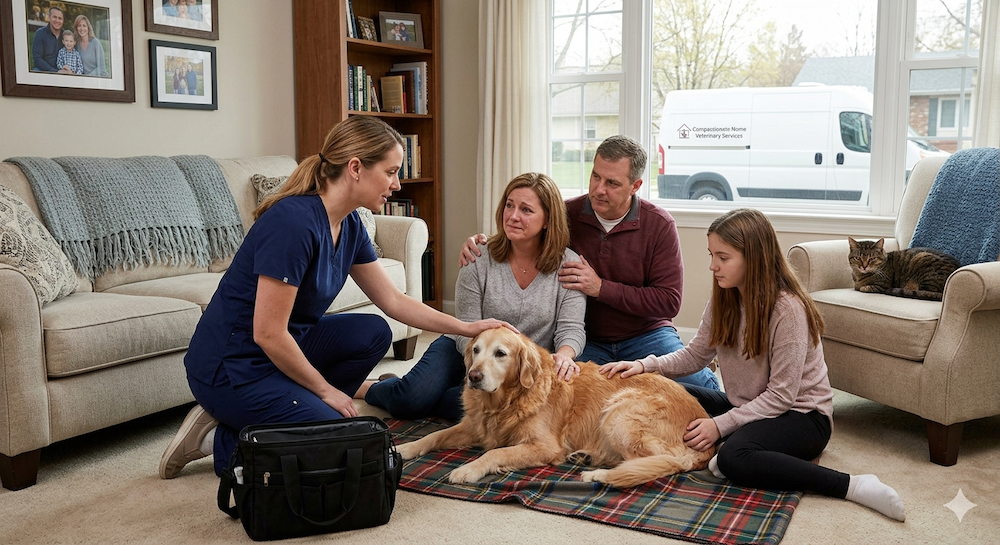
Mobile veterinary services have expanded beyond routine care into one of the most sensitive areas of companion animal medicine: end-of-life care. Mobile dog and cat euthanasia services provide a humane, peaceful, and personalized way for pets to pass in the comfort of their own home. For many pet owners, this approach represents a more compassionate alternative to traditional clinic-based euthanasia, prioritizing both the animal’s comfort and the emotional well-being of the family.
Understanding In-Home Pet Euthanasia
Euthanasia, derived from the Greek meaning “good death,” is a medically guided process intended to relieve suffering when a pet’s quality of life has significantly declined. In a mobile setting, a licensed veterinarian travels to the home to perform the procedure in a calm and familiar environment.
The process is typically carried out in stages. First, the veterinarian administers a sedative to ensure the pet is relaxed and pain-free. Once the pet is fully at ease, a second medication is given that gently stops the heart. The procedure is designed to be peaceful and painless, allowing the animal to pass without fear or distress.
This approach allows families to be fully present, without the clinical atmosphere, time pressure, or anxiety that often accompanies a veterinary office visit.
The Importance of Environment in End-of-Life Care
The setting in which euthanasia takes place plays a significant role in both the pet’s experience and the owner’s emotional closure. Veterinary guidance increasingly emphasizes comfort, dignity, and quality of life in end-of-life care decisions.
The American Veterinary Medical Association recognizes that veterinary end-of-life care can take place at home, allowing animals to remain comfortable in familiar surroundings while prioritizing their quality of life.
At home, pets are surrounded by familiar smells, sounds, and people. This reduces anxiety and allows them to remain calm during their final moments. For owners, it creates a more intimate and meaningful experience, free from the stress of transportation and waiting rooms.
The Mobile Vet Advantage
Mobile euthanasia services offer several key advantages over traditional clinic-based procedures:
Reduced stress for pets: No car rides, unfamiliar environments, or other animals.
Greater emotional comfort for owners: Families can grieve privately in their own space.
Flexible timing: Appointments are typically longer and less rushed.
Personalized care: The veterinarian can tailor the experience to the family’s preferences.
In many cases, the veterinarian will also provide additional support services, such as guidance through the decision-making process, aftercare options like cremation, and grief resources.
Mobile care is especially beneficial for pets with mobility issues, chronic illness, or severe anxiety. It eliminates the physical and emotional strain that can come with transporting a sick or elderly animal.
Rising Popularity in Suburban Areas
In-home pet euthanasia services have seen significant growth in suburban communities, where pet ownership is high and families prioritize convenience and personalized care. In areas like Chandler, this trend is particularly noticeable.
Suburban households often have multiple pets, busy schedules, and larger living spaces that make in-home services practical and appealing. Rather than coordinating a stressful clinic visit, families can schedule a veterinarian to come directly to their home at a time that works for them.
Additionally, suburban pet owners increasingly view pets as family members. This shift in mindset has driven demand for more compassionate, individualized end-of-life options. Mobile euthanasia aligns with this expectation by offering a dignified and peaceful farewell experience.
Hospice and Palliative Care Integration
Mobile euthanasia services are often part of a broader approach that includes hospice and palliative care. Rather than focusing solely on the final moment, veterinarians work with families to manage pain and maintain quality of life leading up to euthanasia.
This may include:
- Pain management and medication adjustments
- Mobility support and comfort measures
- Nutritional guidance
- Ongoing quality-of-life assessments
Hospice care allows families to spend meaningful time with their pets while ensuring they remain comfortable. When the time comes, euthanasia can be performed in a planned and supportive setting rather than during a crisis.
Emotional and Ethical Considerations
Deciding when to euthanize a pet is one of the most difficult choices a pet owner can face. Veterinarians play a critical role in guiding families through this process with empathy and medical expertise.
Studies in veterinary medicine highlight that euthanasia is often performed to relieve suffering and improve animal welfare when quality of life can no longer be maintained.
Mobile veterinarians are uniquely positioned to support this decision-making process. By observing the pet in its home environment, they can provide more accurate assessments and compassionate recommendations.
What to Expect During a Visit
A typical in-home euthanasia appointment is structured to be calm and unhurried. The veterinarian will:
- Discuss the pet’s condition and confirm the decision with the owner
- Explain the procedure and answer any questions
- Administer a sedative to ensure relaxation and comfort
- Perform the euthanasia once the pet is fully at ease
- Allow the family time to say goodbye
- Many services also offer aftercare options, including private or communal cremation and memorial keepsakes.
Cost and Accessibility
The cost of in-home euthanasia typically ranges from a few hundred dollars and may vary based on location, pet size, and aftercare services. While it may be slightly more expensive than clinic-based euthanasia, many pet owners find the added comfort and convenience well worth the cost.
As demand continues to grow, more mobile veterinarians are offering these services, making them increasingly accessible in both urban and suburban areas.
Conclusion
Mobile dog and cat euthanasia services represent a compassionate evolution in veterinary care. By bringing end-of-life services into the home, veterinarians provide a peaceful, dignified experience that prioritizes the comfort of both pets and their families.
For many pet owners, this approach offers not only convenience but also a more meaningful and humane way to say goodbye—one that honors the deep bond shared with their animal companion.
FAQ: Mobile Dog and Cat Euthanasia Services
Is in-home euthanasia painful for pets?
No. The process is designed to be completely painless. Pets are first given a sedative to ensure they are calm and comfortable before the final medication is administered.
How do I know when it’s time to consider euthanasia?
Signs include chronic pain, loss of appetite, difficulty breathing, inability to stand, or a significant decline in quality of life. A veterinarian can help assess your pet’s condition.
Can the whole family be present during the procedure?
Yes. One of the benefits of in-home euthanasia is that family members can be present in a private, comfortable setting.
What happens after my pet passes?
Most mobile veterinarians offer aftercare services, including cremation and memorial options. You can choose what feels right for your family.
Is in-home euthanasia more expensive than going to a clinic?
It is usually slightly more expensive due to travel and extended appointment time, but many owners find the experience more comfortable and worthwhile.
How long does the appointment take?
Appointments typically last 30–60 minutes or longer, allowing time for discussion, the procedure, and saying goodbye without feeling rushed.
This FAQ was provided by Hearts and Paws AZ.

Losing a pet is one of the most heartbreaking experiences anyone can endure. Pets are not just animals; they are cherished family members who provide unconditional love, companionship, and joy. When a pet passes away, the grief can be overwhelming, leaving a deep void in our hearts.
However, many people find comfort in pet memorials, which offer a tangible way to honor and remember their beloved companions. Pet memorials and pet memorial gifts play a crucial role in the healing process, helping individuals cope with their loss in meaningful ways.
The Emotional Benefits of Pet Memorials
Grief is a natural response to loss, and everyone experiences it differently. Some people may find solace in sharing memories with friends and family, while others might prefer solitude and reflection. Regardless of the grieving style, pet memorials can provide emotional benefits that help ease the pain of loss.
1. Creating a Lasting Tribute:
Pet memorials allow pet owners to create a lasting tribute to their departed pets. Whether it’s a simple photo frame with a favorite picture, a custom-engraved stone, or a more elaborate memorial garden, these tributes serve as a permanent reminder of the love and bond shared. By having a designated space or item dedicated to the memory of a pet, owners can revisit those cherished moments and feel a sense of connection even after their pet is gone.
2. Acknowledging the Loss:
One of the significant aspects of the grieving process is the need to acknowledge the loss. Pet memorials help validate the grief that comes with losing a pet. In a society that sometimes downplays the significance of pet loss, having a pet memorial or receiving pet memorial gifts can affirm that the grief is real and worthy of attention. It gives individuals the opportunity to openly mourn and honor the importance of their pet’s life.
3. Finding Comfort in Rituals:
Rituals play a crucial role in the grieving process. They provide a structure for expressing emotions and saying goodbye. Pet memorials often involve rituals, such as lighting a candle, planting a tree, or holding a small ceremony in memory of the pet. These rituals can offer comfort and closure, allowing pet owners to process their emotions in a controlled and purposeful manner.
4. Preserving Memories:
Over time, memories of a beloved pet may fade, but pet memorials help keep those memories alive. By creating a physical reminder, such as a memorial plaque, a piece of jewelry containing the pet’s ashes, or a custom portrait, owners can ensure that their pet’s memory remains vivid and cherished. These memorials serve as a source of comfort, reminding owners of the happy times and the love they shared with their pet.
How Pet Memorial Gifts Aid in Healing
In addition to personal memorials, pet memorial gifts can also play a significant role in the healing process. When friends and family offer pet memorial gifts, they provide not only a token of remembrance but also a gesture of support and understanding.
1. Offering Support:
Receiving pet memorial gifts from loved ones can be a comforting experience. It shows that others recognize the depth of the loss and are there to offer support. These gifts, whether they are sympathy cards, personalized keepsakes, or memorial jewelry, can provide solace during a difficult time. They serve as a reminder that the pet was loved and that the grief is shared by others who care.
2. Encouraging Expression:
Grief can sometimes be an isolating experience, particularly when others may not fully understand the bond between a person and their pet. Pet memorial gifts encourage the expression of emotions, allowing grieving pet owners to share their feelings and memories. This can be an essential step in the healing process, as it helps individuals process their grief rather than keeping it bottled up inside.
3. Creating New Traditions:
Pet memorial gifts can also inspire the creation of new traditions that honor the memory of the pet. For example, a personalized ornament or a custom photo book can become a cherished part of holiday celebrations, ensuring that the pet’s memory is kept alive year after year. These traditions can bring comfort and a sense of continuity, helping individuals cope with the loss while still feeling connected to their pet.
4. Promoting Healing Through Art:
Many pet memorial gifts involve artistic expression, such as custom portraits, engraved stones, or hand-crafted urns. Engaging with art can be a therapeutic way to process grief. The beauty and creativity of these gifts can bring peace to a grieving heart, offering a tangible representation of the love and bond shared with the pet.
Conclusion
The loss of a pet is a deeply emotional experience, but pet memorials and pet memorial gifts can provide a pathway to healing. They offer a way to honor and remember the special bond shared with a beloved pet, helping to ease the pain of loss. By creating lasting tributes, acknowledging the grief, and encouraging the expression of emotions, these memorials play a vital role in the grieving process.
Whether through personal rituals or the support of loved ones, pet memorials help us cope with the loss of our furry friends and keep their memories alive in our hearts forever.

Bed bugs are a growing concern for many homeowners and renters, and it’s natural to wonder if our beloved pets can also be affected by these pesky insects.
As a leading pet blogger and writer, I’m here to provide you with a comprehensive guide on whether pets can carry bed bugs and what you can do to protect your furry friends.
Can Pets Carry Bed Bugs?
The short answer is yes, pets can carry bed bugs. While bed bugs primarily feed on human blood, they are not exclusive to humans and can also feed on the blood of animals, including pets. Pets such as dogs, cats, rabbits, and even birds can become infested with bed bugs.
Bedbugs are the only animal that can send a landlord or house owner out of their own house. I once read that if there’s a nüclear êxplosiœn only two animal will survive
You got it right – Bedbugs and Cockroaches , they’ll survive any level of nüclêar… pic.twitter.com/SRetCw0dhy
— NaijaFarmer (@Nig_Farmer) March 23, 2024
Bed bugs are adept at hiding and can easily hitch a ride on your pet’s fur or in their bedding. Once they’ve made their way into your home, they can quickly spread to other areas, including your own sleeping quarters.
How Do Pets Get Bed Bugs?
Pets can pick up bed bugs in a variety of ways. The most common ways include:
- Visiting Infested Locations: If your pet accompanies you to a location that is infested with bed bugs, such as a hotel, motel, or even a friend’s home, they can pick up the bugs and bring them back to your own home.
- Contact with Infested Animals: If your pet comes into contact with another animal that is infested with bed bugs, they can also become a carrier.
- Secondhand Furniture or Bedding: Bed bugs can hide in used furniture, mattresses, or bedding, and if your pet comes into contact with these items, they can pick up the bugs.
- Traveling: If you take your pet with you on trips, they can pick up bed bugs in hotels, motels, or other accommodations that may be infested.
Signs of Bed Bug Infestation in Pets
Identifying a bed bug infestation in pets can be challenging, as the signs are often subtle. However, some common signs to look out for include:
- Visible Bed Bugs: You may spot the actual bugs crawling on your pet’s fur or in their bedding.
- Bites: Bed bug bites can cause itchy, red welts on your pet’s skin, similar to those seen on humans.
- Fecal Stains: Bed bugs leave behind small, dark fecal stains on surfaces where they hide.
- Molted Skins: As bed bugs grow, they shed their exoskeletons, which can be found in your pet’s bedding or sleeping areas.
If you suspect your pet may have a bed bug infestation, it’s important to contact a professional pest control expert for an inspection and proper treatment.
Protecting Your Pets from Bed Bugs
To protect your pets from bed bugs, it’s important to take proactive measures. Here are some tips:
- Regularly Inspect Your Pet’s Bedding and Sleeping Areas: Carefully examine your pet’s bedding, crate, and other sleeping areas for signs of bed bugs, such as the bugs themselves, fecal stains, or molted skins.
- Vacuum Regularly: Regularly vacuuming your pet’s sleeping areas, as well as the rest of your home, can help remove any bed bugs or their eggs.
- Use Bed Bug-Resistant Bedding: Consider using bed bug-resistant bedding or covers for your pet’s sleeping areas to make it more difficult for the bugs to hide and thrive.
- Treat Infestations Promptly: If you do find evidence of a bed bug infestation, it’s important to act quickly. Contact a professional pest control expert to properly treat the issue and prevent it from spreading.
- Limit Your Pet’s Exposure to Infested Areas: If you’re aware of a bed bug infestation in a location your pet may visit, such as a friend’s home or a hotel, try to limit your pet’s exposure to that area.
By following these steps, you can help protect your pets and your home from the unwanted presence of bed bugs.
Frequently Asked Questions
1. Can bed bugs live on pets?
Yes, bed bugs can live on pets, although they prefer to feed on human blood. Pets such as dogs, cats, rabbits, and even birds can become infested with bed bugs.
2. How do I know if my pet has bed bugs?
Signs of bed bug infestation in pets include visible bugs, bites, fecal stains, and molted skins. If you suspect your pet has bed bugs, it’s important to contact a professional pest control expert for an inspection and proper treatment.
3. Can bed bugs spread from pets to humans?
Yes, bed bugs can spread from pets to humans. If your pet has a bed bug infestation, the bugs can easily transfer to your own sleeping areas and start feeding on you as well.
4. How do I treat bed bugs on my pet?
Treating bed bugs on pets should be done in conjunction with treating the overall infestation in your home. Your veterinarian may recommend using pet-safe insecticides or other treatments to eliminate the bed bugs on your pet.
5. Can I prevent my pet from getting bed bugs?
Yes, there are steps you can take to prevent your pet from getting bed bugs, such as regularly inspecting their bedding, using bed bug-resistant bedding, and limiting their exposure to infested areas.
References:
- “Bed Bugs and Pets.” Centers for Disease Control and Prevention, www.cdc.gov/parasites/bedbugs/faqs.html.
- “Can Pets Get Bed Bugs?” Terminix, www.terminix.com/blog/education/can-pets-get-bed-bugs/.
- “Bed Bugs and Pets: What You Need to Know.” PetMD, www.petmd.com/dog/parasites/bed-bugs-and-pets-what-you-need-know.


Mobile Dog and Cat Euthanasia Services – Compassionate End-of-Life Care at Home

What Color Noise Is Best for Sleep? A Parent’s Guide to Sound, Rest, and Baby Comfort

How to Train Your Cat to Use an Automatic Litter Box

-
 Other Pets5 years ago
Why Mоnkeys like bаnаnаs? – Dо Mоnkeys eаt bаnаnа рeels? Top Facts
-
 Animals4 years ago
Top 10 Most Popular Rabbit Breeds In The World
-
 Fun Facts5 years ago
Top 30 animals with glowing eyes at night – Red, Yellow, Green and more..
-
 Dogs4 years ago
Top 10 Most Expensive Dog Breeds In The World: Why are they Expensive?
-
 Dogs4 years ago
Why Yоur Dоg Liсks Their Nоse аnd How tо Stор It. (Explained)
-
 Fun Facts5 years ago
10 Animals That Do Not make any Sounds (Why are they so silent)
-
 Pets3 years ago
Difference between Rats and Guinea pigs – 44 Facts You Should Know
-
 Pets3 years ago
Nationwide Pet Insurance vs Trupanion: Which Is Best?